
Materials & Finishes
Latest Interior Design Styles Explained
Modern interior design is no longer reserved for global metropolises—it's making bold inroads into homes across Kenya, reshaping how families interact with their living environments. With urbanization accelerating in…
11 May 2026 · 8 min read
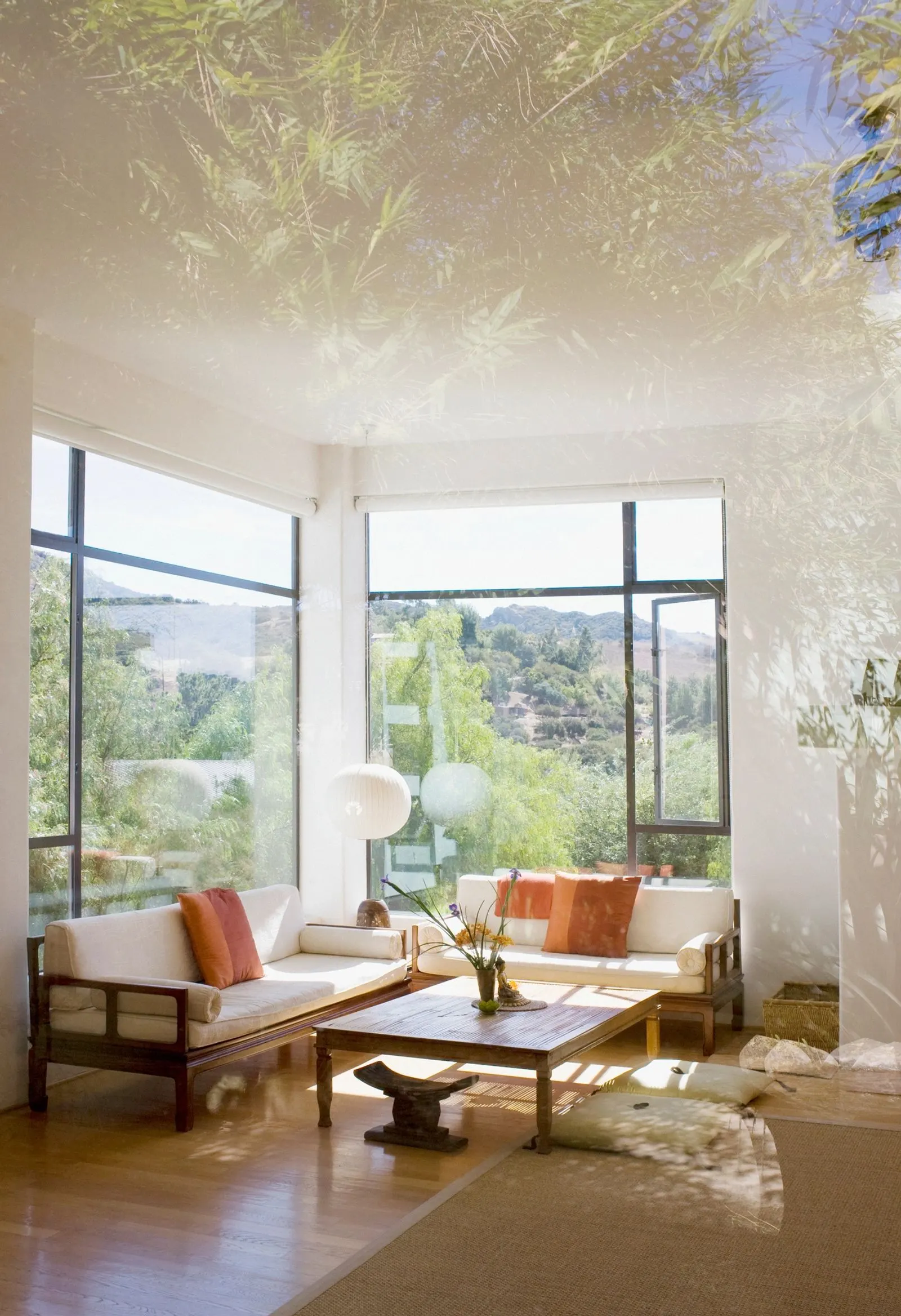
Reimagining Kenyan Living Spaces with Contemporary Flair
Modern interior design is no longer reserved for global metropolises—it's making bold inroads into homes across Kenya, reshaping how families interact with their living environments. With urbanization accelerating in cities like Nairobi, Mombasa, and Ongata Rongai, homeowners are increasingly seeking design solutions that blend aesthetics, functionality, and cultural relevance. Today’s interiors go beyond mere decoration; they respond to real lifestyle needs—maximizing natural light in mid-rise apartments, optimizing compact layouts, and integrating sustainable materials suited to Kenya’s climate.
This guide dives into the most influential interior design styles defining Kenyan homes, from minimalist Nordic-inspired spaces to vibrant Afrocentric themes that celebrate local heritage. You’ll learn how open-plan layouts improve airflow in tropical settings, why textured finishes like *kisii stone* and handwoven sisal are gaining favor, and how to balance modern furniture with traditional craftsmanship.
Whether you're renovating a townhouse in Ngong Road or designing a new family home in Kajiado, this resource offers practical strategies to align your space with current trends—without compromising comfort or identity. Expect actionable tips on color schemes, space planning, and material selection tailored to East African contexts.
Clean Lines, Clear Vision: The Foundation of Modern Interior Design
Modern interior design isn’t just a style—it’s a mindset centered on simplicity, purpose, and elegance. At its core, this approach prioritizes clean lines, minimalism, and functional design to create spaces that feel open, uncluttered, and intentionally curated. Unlike more ornate styles, modern design strips away excess, allowing architecture and high-quality materials to take center stage. This makes it an ideal choice for homeowners and businesses in urban environments like Ongata Rongai and across Kajiado County seeking to maximize space and light while maintaining a sophisticated aesthetic.
Key elements include:
- Straight, unadorned lines in furniture and architectural details that promote visual calm
- Neutral color palettes with strategic use of bold accents to add depth
- Open floor plans that improve flow and enhance natural lighting
- Multifunctional furniture designed for real-life usability in compact or shared spaces
By embracing minimalism, modern design reduces visual noise, making rooms easier to maintain and more adaptable over time. It’s especially effective in high-density areas where efficient use of space directly impacts comfort and livability. Whether you're updating a residential living area or designing a commercial interior, focusing on functionality and timeless form ensures your space remains relevant and refreshing for years to come. Consider starting with one room to experience how thoughtful reduction can transform your entire environment.
The Art of Balanced Simplicity: Understanding Japandi Design
Japandi style has emerged as a defining trend for those seeking harmony between clean aesthetics and livable comfort. By fusing Japanese minimalism with Scandinavian functionality, this design philosophy emphasizes tranquility, natural materials, and intentional living. At its core, Japandi is not just a look—it’s a mindset that promotes mindfulness and purpose in interior spaces.
Key characteristics include a neutral color palette dominated by warm whites, soft greys, and earthy tones, complemented by textures like linen, wood, and stone. Furniture is simple, low-profile, and designed for utility without sacrificing elegance. The focus is on *fewer, higher-quality pieces* that serve a clear function.
To incorporate Japandi in your home or workspace in Nairobi, Rongai, or beyond:
- Declutter rigorously—only keep what adds beauty or value
- Introduce natural elements such as bamboo, rattan, or teak
- Layer textures for warmth while maintaining visual calm
- Incorporate soft, ambient lighting to enhance coziness
This style excels in small spaces where efficiency and serenity are essential. Whether you're redesigning a studio apartment or a quiet reading nook, Japandi offers a balanced approach to modern living—calm, clutter-free, and deeply inviting.
What Is Contemporary Design—And How It Evolves With You
Contemporary interior design is often mistaken for "modern," but it's defined not by a fixed era, but by its responsiveness to current cultural, technological, and lifestyle shifts. Unlike static styles, contemporary design embraces fluidity—integrating minimalist lines, open layouts, and neutral palettes accented with bold textures and sustainable materials. It’s ideal for Ongata Rongai homeowners and Nairobi-based businesses seeking spaces that feel current, functional, and effortlessly elegant.
What sets contemporary design apart is how it adapts to emerging technologies and urban living demands. Think built-in smart lighting systems, hidden charging stations, and modular furniture that suits compact spaces. With an emphasis on indoor-outdoor flow, natural light optimization, and breathable materials, this style supports well-being—a priority for today’s health-conscious residents.
To incorporate contemporary style successfully:
- Simplify the palette: Stick to base tones like warm greys, ivory, or soft taupes
- Prioritize clean lines: Choose uncluttered cabinetry, floating shelves, and streamlined fixtures
- Embrace technology integration: Plan for automation systems during initial layout stages
- Use local, sustainable finishes: Source materials like recycled wood or low-VOC paints available in Kajiado and greater Nairobi
By aligning with how people live now—digitally connected, space-conscious, and eco-aware—contemporary design ensures your interiors remain relevant, efficient, and deeply personal.
Embracing Raw Elegance: The Appeal of Industrial Interior Design
Industrial interior design continues to captivate homeowners and commercial developers in Nairobi, Ongata Rongai, and beyond with its bold, unpretentious aesthetic rooted in authenticity. At its core, industrial style celebrates structural honesty—exposed steel beams, visible ductwork, and unfinished concrete floors aren’t hidden; they’re highlighted as design features. This approach not only adds visual interest but also maximizes spatial perception, making it ideal for compact urban lofts or open-plan offices in Kenya’s growing business districts.
Key elements include reclaimed wood, metal piping, and utilitarian lighting such as pendant bulbs with visible filaments. When incorporating industrial design, consider balancing raw textures with warmth—pair cold concrete with rich walnut furnishings or soften exposed brick with layered textiles in neutral tones.
Ventilation and layout are critical: ensure ductwork is both functional and aligned with the design vision. In humid climates like Kenya’s, use sealed concrete or polished epoxy floors to resist moisture while maintaining the industrial look.
For lasting appeal, mix materials thoughtfully:
- Combine brushed steel with warm wood accents
- Use blackened steel framing for doors or shelving
- Integrate warehouse-style windows to enhance natural light
This style thrives on contrast—merging rugged construction with refined comfort—making it a smart choice for modern homes and workspaces across East Africa.
Choosing the Right Design Style for Kenyan Homes: Your FAQs Answered
How do I choose a design style that works with Kenya’s tropical climate? Kenya’s warm temperatures and high sunlight exposure mean materials and layouts must prioritize breathability and light control. Opt for natural, heat-resistant materials like teak, wicker, or textured plaster finishes that don’t absorb excessive heat. Open-plan layouts with cross-ventilation enhance airflow, while overhangs or louvres help manage intense sunlight. Interior styles like East African Coastal or Modern Tropical blend aesthetics with functionality, using light-colored walls and large openings to keep interiors cool.
Which interior styles are budget-friendly for Nairobi and surrounding areas? Minimalist and Affordable Modern styles reduce costs by focusing on essentials—clean lines, multipurpose furniture, and locally sourced finishes. Prioritize high-impact elements like paint, lighting, and accent walls that refresh spaces affordably. In Rongai and Kajiado, many homeowners achieve stylish results by combining ready-made furniture with handmade decor from local artisans.
Can I blend traditional Kenyan elements with modern design? Absolutely. Afro-Chic or Kenyan Fusion styles incorporate kikoy patterns, carved wooden doors, or Maasai beadwork into contemporary layouts. Use traditional textiles as wall art or upholstery and pair them with sleek furniture for balance.
How does natural light in Kenya influence design style choices? High UV levels call for strategic window placement, light-diffusing blinds, and reflective surfaces. Styles like Mediterranean or Scandinavian work well—both emphasize light tones and maximize daylight without glare.
What flooring works best in Kenya’s varied elevations and climates? Ceramic tiles suit humid coastal regions, while polished concrete or hardwoods perform well in cooler highlands like Rongai. Choose slip-resistant, low-maintenance options ideal for family homes and rental properties alike.
Are open kitchens suitable for Kenyan cooking habits? Yes—if designed with proper ventilation. Island kitchens with extractor fans accommodate frequent simmering and frying common in local cuisine while promoting social interaction.
How can I make a small space feel larger with design? Use light paint palettes, mirrored surfaces, and multi-functional furniture. Floating shelves and under-bed storage keep compact Nairobi apartments clutter-free while maintaining style.
Final Thoughts: Crafting Your Perfect Space with Confidence
Choosing the right interior design style isn’t just about following trends—it’s about creating a space that reflects your personality, supports your lifestyle, and functions seamlessly in your daily life. From minimalist Scandinavian layouts to bold, expressive maximalism, each design direction offers unique benefits tailored to different preferences and spatial needs. Key considerations like natural light, room dimensions, and traffic flow in homes across areas like Ongata Rongai and Kajiado should guide your choices just as much as aesthetics.
To move forward:
- Assess your space realistically—measure square footage, note architectural features, and evaluate how you use each room
- Define your style identity—collect inspiration images, identify recurring themes, and prioritize materials and color palettes that resonate
- Balance aesthetics with functionality—integrate smart storage, durable finishes, and lighting layers that adapt to different times of day
- Prioritize quality craftsmanship—well-executed details like millwork, joinery, and surface finishes elevate any design style
The most successful interiors blend vision with practicality. Take time to understand your true needs, experiment with textures and proportions, and don’t hesitate to consult design professionals when planning structural changes or complex layouts. Your space should enrich how you live—start designing with purpose.