
Materials & Finishes
Interior Design Trends for 2026
Step into the future of interior design as we explore groundbreaking trends set to redefine living and workspaces in 2026. With a keen focus on innovation, sustainability, and aesthetics, this guide unveils practical…
18 March 2026 · 6 min read
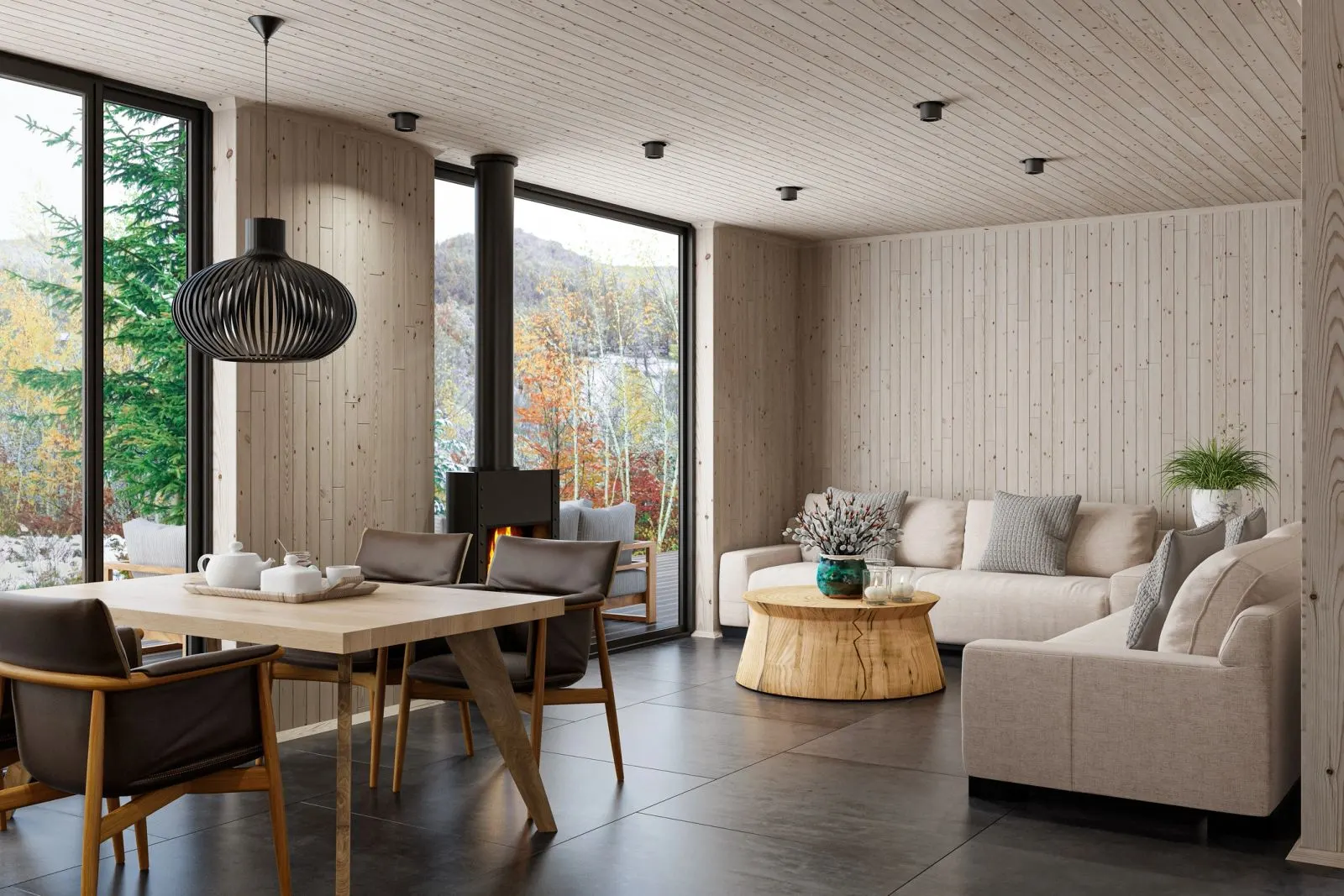
Embracing a New Era in Interior Design
Step into the future of interior design as we explore groundbreaking trends set to redefine living and workspaces in 2026. With a keen focus on innovation, sustainability, and aesthetics, this guide unveils practical strategies and creative insights to inspire your next design project. Imagine converting everyday spaces into dynamic environments where eco-friendly materials meet cutting-edge technology, creating not just visually appealing areas, but also functional and sustainable ones.
In this section, you’ll learn how to: • Integrate sustainable design solutions into modern aesthetics. • Leverage innovative techniques to transform conventional spaces. • Balance technical design with creative visual narratives. • Enhance local spaces by incorporating regional design elements, particularly relevant for communities like Ongata Rongai and wider Kajiado.
This introductory segment sets the tone for a comprehensive guide packed with actionable advice, design blueprints, and innovative ideas aimed at solving common challenges in the interior design industry. Prepare to discover how strategic planning and creative innovation can transform your space into an inspiring haven for both work and life.
5 Sustainable Materials Transforming Interior Spaces
Discover the eco-friendly options that are revolutionizing interior design. As consumers seek both style and sustainability, these materials offer a way to modernize spaces while reducing environmental impact.
1. Reclaimed Wood Revival: Salvaged wood from old structures adds character and warmth while preserving natural history. Its unique grain and texture provide a one-of-a-kind look perfect for cozy lounges and modern workspaces. 2. Bamboo Brilliance: Fast-growing and renewable, bamboo is lightweight yet durable. Ideal for flooring, cabinetry, and decorative features, bamboo blends durability with a contemporary twist, particularly appealing in urban landscapes like Ongata Rongai. 3. Recycled Metal Accents: Incorporating recycled metals in fixtures and decorative pieces results in sleek, modern design elements. Their reflective quality adds depth and brightness to interiors, pairing well with natural lighting. 4. Natural Stone Sophistication: Sourced responsibly, natural stone offers longevity and classic elegance. It serves as an excellent option for countertops, wall cladding, and accent pieces in vibrant metropolitan settings. 5. Biodegradable Textiles: Eco-friendly fabrics crafted from organic fibers support a sustainable cycle. Ideal for upholstery and drapery, these textiles provide comfort, durability, and environmental appeal.
Intelligent Interactivity: Redefining Modern Interiors
Smart technology is transforming the way spaces are designed and experienced. In both home and office environments, integrated systems are driving a shift towards more responsive and adaptive interiors. These advancements allow for seamless control over lighting, temperature, and security, creating environments that are as efficient as they are aesthetically pleasing.
Innovative tech now lets designers and homeowners prioritize energy efficiency and usability through:
- Automated climate control systems that adapt to changing conditions
- Smart lighting solutions that adjust based on natural light and occupancy
- Integrated security measures that monitor and protect spaces in real-time
In urban areas such as Ongata Rongai, these trends are becoming more relevant as residents look for practical ways to enhance their living and working spaces. Embracing a connected approach means that spaces not only reflect modern design sensibilities but also offer actionable benefits like reduced energy costs and heightened comfort. By blending cutting-edge technology with smart design principles, modern interiors are now more adaptable, creating environments that respond to both lifestyle demands and evolving industry standards.
Embracing Nature for Enhanced Well-being
Biophilic design is reshaping modern interiors by seamlessly integrating nature into everyday spaces. By incorporating natural elements, such as abundant daylight, organic materials, and carefully placed greenery, homeowners and businesses can create environments that nurture both the body and mind. This approach not only revitalizes a room’s aesthetic appeal but also promotes mental clarity and reduces stress.
Consider the following benefits of adopting biophilic design:
- Enhanced Air Quality: Natural materials and indoor plants contribute to a healthier atmosphere.
- Stress Reduction: The calming influence of nature can alleviate anxiety and boost mood.
- Improved Productivity: A connection to nature fosters creativity and efficiency in workspaces.
- Aesthetic Appeal: Organic textures and natural lighting bring a timeless elegance to interiors.
For those in markets like Ongata Rongai or broader regions within Kajiado, incorporating these elements can be particularly impactful. By choosing nature-inspired décor, you create spaces that resonate with innate human needs for natural connection. Whether renovating an office or redesigning a home, consider biophilic principles for a balanced and enriching living environment.
What key trends are defining interior design in 2026?
Innovators are embracing sustainable materials, versatile layouts, and minimalist aesthetics. Designers increasingly mix textures and natural light to create living spaces that are both beautiful and functional.
How can sustainable materials be integrated into modern interiors?
Consider eco-friendly options such as reclaimed wood, energy-efficient lighting, and natural fibers. These elements not only promote environmental responsibility but also infuse warmth and authenticity into your space.
What practical design practices can improve small spaces?
Optimizing layout with multifunctional furniture and clever storage solutions can make even limited spaces feel open and inviting. A balanced color palette further enhances visual space.
How is technology influencing interior design trends?
Smart home features, from automated lighting systems to integrated security devices, are increasingly incorporated. Subtle integration ensures technology complements rather than overwhelms the design.
How can one personalize their interior while staying current?
Express your style with custom accents, artwork, and statement pieces that speak to your personality while maintaining a modern design language.
What are cost-effective strategies for interior updates?
Prioritize upgrades with budget-friendly DIY projects, strategic redecorations, and careful planning, ensuring your home feels fresh without compromising quality.
A Pop of Personality: Color Psychology at Work
In today’s design landscape, the smart application of color can transform any space into a personal haven that mirrors its inhabitant’s character and mood. By applying color psychology, designers create balanced atmospheres that uplift, relax, or energize a room. This technique is essential not only in large-scale projects but also in detailing local homes in areas like Ongata Rongai.
Utilizing a thoughtful mix of hues allows you to:
- Enhance spatial depth and highlight architectural features.
- Create an ambient flow that matches the intended ambiance of each room.
- Instill a personalized vibe that resonates with daily life and routine.
Careful selection of warm or cool tones can evoke feelings of comfort and security or stimulate creativity and focus. This approach turns basic interiors into dynamic reflections of personality while addressing practical design needs. By considering how colors influence emotions, both interior designers and homeowners can navigate common challenges and achieve environments that foster well-being and aesthetic satisfaction.
Wrapping Up: Your Roadmap to Inspired Spaces
As you reflect on the insights shared throughout this guide, a few key points stand out that can redefine your approach to rejuvenating interiors. The evolution of aesthetics is driven by sustainability, technology, and local influences—particularly resonant in vibrant regions like Ongata Rongai and Nairobi. Understanding these trends empowers you to create spaces that are not only visually appealing but also functionally efficient.
Actionable next steps include:
- Assess Your Needs: Determine how emerging trends align with your space requirements.
- Plan Strategically: Use actionable design checklists to prioritize sustainable and tech-integrated solutions.
- Stay Informed: Keep up-to-date with evolving materials and eco-friendly finishes to ensure longevity and performance in your interiors.
This conclusion reinforces the value of thoughtful, innovative design decisions that can dramatically enhance everyday environments. Let this be your guide to turning challenges into opportunities, encouraging you to take proactive steps toward a more inspired, functional living or work space. Embrace these trends with confidence and creativity—your journey to transforming spaces starts today.