
Planning Guides
Al-Hatim Décor Services & Client Reviews
Every square metre of a room holds untapped potential—transformed not by chance, but through intentional, intelligent design. Across homes and workplaces in Ongata Rongai and beyond, people are discovering that…
11 May 2026 · 7 min read
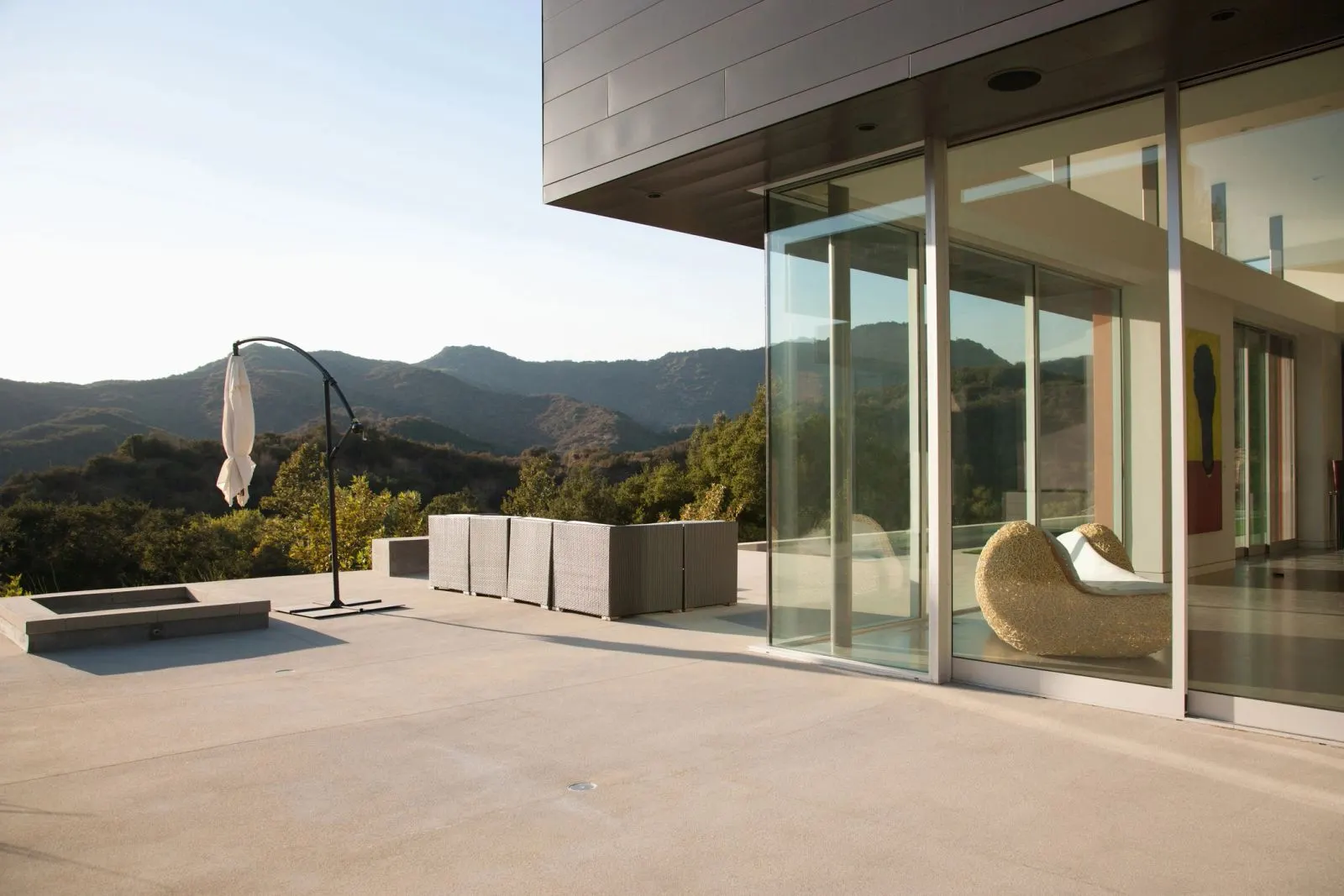
Redefine Your Space: The Art and Impact of Thoughtful Interior Design
Every square metre of a room holds untapped potential—transformed not by chance, but through intentional, intelligent design. Across homes and workplaces in Ongata Rongai and beyond, people are discovering that well-crafted interiors do more than impress: they elevate daily life, improve functionality, and reflect personal or brand identity with purpose. With rising demand for spaces that balance aesthetics and practicality, interior design has evolved from luxury to necessity.
This guide explores how innovative design thinking turns underutilized or outdated environments into dynamic, purpose-driven spaces. You'll learn the core principles behind effective layout planning, material selection, and spatial flow—key elements often overlooked in DIY attempts. Discover how blending functionality with creative vision can resolve common challenges like poor lighting, inefficient use of space, or mismatched style themes. Whether you're reimagining a compact living area, revamping a retail layout, or upgrading a commercial office, the right design approach can unlock lasting value.
By the end, you’ll understand how strategic interior solutions can enhance comfort, support well-being, and create environments that truly serve their purpose—no matter the building type or location.
Crafting Functional and Inspired Interiors Across Sectors
Transforming houses, offices, and retail environments into high-performing, visually cohesive spaces requires a strategic approach to both design and execution. Whether reimagining a compact urban apartment in Rongai, optimizing workflow in a commercial office near Nairobi, or creating an immersive shopping experience in a retail storefront across Kajiado County, the integration of aesthetic vision with structural precision is key. Residential projects benefit from personalized layouts that enhance natural light, improve storage efficiency, and support family-centric living. Commercial interior solutions focus on durable materials, ergonomic layouts, and branding integration to boost employee productivity and impress clients. Retail environments thrive on foot traffic flow analysis, display visibility, and atmospheric lighting—all designed to elevate customer engagement.
Critical success factors include:
- Needs Assessment: Aligning space planning with actual usage patterns
- Material Specification: Choosing finishes suited to traffic volume and maintenance needs
- Permit Coordination: Ensuring compliance with local building regulations in Kenya
- Project Phasing: Minimizing disruption during renovations
From initial concept sketches to final construction sign-off, a unified team managing both design and build phases ensures consistency, timeline adherence, and budget control. Businesses and homeowners alike can achieve higher property value, improved usability, and long-term satisfaction through a holistic interior design and construction partnership.
7 Transformative Design Elements That Elevate Interior Spaces
Interior transformation goes beyond aesthetics—it's about creating functional, inspiring environments that reflect purpose and personality. These seven design elements consistently deliver standout results in residential and commercial projects across Kenya, especially in fast-growing areas like Ongata Rongai and Kajiado.
1. Strategic Space Planning Maximizing every square foot starts with intelligent layout design. Professionals analyze traffic flow, natural light access, and usage patterns to reconfigure rooms for optimal functionality—perfect for compact urban homes or retail layouts needing customer engagement. 2. Custom Millwork Integration Tailored cabinetry, built-in shelving, and feature walls add uniqueness and storage efficiency. In living rooms or office spaces, custom millwork bridges style and utility, adapting to the client’s lifestyle or brand identity. 3. Material Contrast Play Combining textures—such as polished concrete with warm wood, or matte finishes with metallic accents—adds depth and visual interest. This technique enhances both modern minimalist and fusion-inspired interiors. 4. Layered Lighting Design Gone are the days of single overhead lights. Layer ambient, task, and accent lighting to create mood and highlight architectural details, especially effective in dining areas, kitchens, and retail displays. 5. Cultural Design Motifs Incorporating subtle regional patterns or locally sourced materials grounds a space in its environment, offering authenticity and connection to East African heritage. 6. Acoustic Optimization Soft furnishings, wall panels, and strategic layout adjustments reduce echo in open-plan areas—essential for modern homes, studios, and commercial meeting spaces. 7. Smart Home Integration From automated lighting to climate control, integrating technology seamlessly improves comfort and efficiency without compromising design cohesion.
How to Decode Interior Design Reviews for Smarter Project Planning
When selecting a design partner, customer feedback is your most powerful research tool. However, not all reviews are created equal—knowing how to interpret them ensures you make informed decisions aligned with your vision and budget.
1. Start with Volume and Consistency Look for providers with multiple reviews across platforms. A single glowing comment isn’t as telling as a pattern of consistent praise—or recurring complaints—about timelines, communication, or material quality. 2. Evaluate Specificity Over General Praise Prioritize reviews that mention concrete details: *“They sourced sustainable hardwood on time”* or *“adjusted the layout for better natural light in Rongai homes.”* These signal real project insight, not generic compliments. 3. Watch for Keywords Tied to Your Needs If you’re planning a commercial refit in Kajiado, search reviews for terms like “retail layout,” “project managed on schedule,” or “adapted to client branding.” This helps confirm experience in your niche. 4. Assess Responsiveness Check how providers respond to negative feedback. Prompt, professional replies show accountability—a good indicator of how they’ll handle challenges on your project. 5. Cross-reference Across Time Recent reviews (within 6–12 months) reflect current processes. Design trends and team capabilities evolve—timeliness matters.
Use this approach to cut through the noise and choose with confidence.
Common Questions About Interior Design Services and What to Expect
Choosing the right interior design partner can make a significant difference in how your space turns out, especially when blending aesthetics with functionality. Here are some frequently asked questions that help clarify what to expect during the design process, particularly in residential and commercial projects across regions like Kajiado and Ongata Rongai.
### How long does a typical interior design project take from concept to completion?
Project timelines vary based on scope—small residential updates may take 6–8 weeks, while full home or commercial renovations can range from 3 to 6 months. Factors like material availability, structural modifications, and client feedback speed play key roles in scheduling.
### What’s included in a full interior design service?
Comprehensive services typically cover space planning, material selection, lighting design, custom millwork, and project management. Some providers also offer 3D visualizations and procurement support to ensure alignment with your vision.
### How do I know if a design firm understands my style preferences?
Look for designers who start with a discovery session, using mood boards and style assessments to capture your taste. Clear communication and iterative feedback loops help ensure the final design reflects your personality and functional needs.
### Can interior design services work within a strict budget?
Yes—experienced designers help prioritize investments, suggest cost-effective alternatives, and manage expenditures transparently. Value engineering ensures you get the most impact without overspending.
### Do I need to be present during construction or installation phases?
Not necessarily. Most clients rely on their design team to oversee installations, coordinate contractors, and handle logistics. Regular progress updates and digital check-ins keep you informed without requiring constant on-site presence.
### How are sustainable materials incorporated into modern interiors?
Eco-conscious design includes using low-VOC finishes, recycled materials, energy-efficient lighting, and sustainably sourced timber. These choices enhance indoor air quality and reduce environmental impact without sacrificing style.
Understanding these aspects helps set realistic expectations and fosters a smoother journey from idea to executed space.
Final Thoughts: Making the Right Choice for Your Interior Vision
Transforming your interior space into a functional, aesthetically pleasing environment requires more than just good taste—it demands expertise, precision, and a deep understanding of design principles. Throughout this guide, we've explored the foundational elements of successful interior projects, from selecting cohesive color palettes and materials to optimizing spatial layouts for comfort and flow. The importance of working with professionals who prioritize both creativity and technical execution cannot be overstated, especially when balancing aesthetics with practicality in homes or high-traffic commercial environments.
For residents and business owners in Ongata Rongai and across Kajiado County, achieving design excellence means partnering with teams that bring innovation, attention to detail, and client-centered service to every project. A seamless interior design process should include clear communication, timeline transparency, and solutions tailored to your lifestyle or brand identity. When evaluating options, look for providers who integrate local design sensibilities with modern trends and sustainable practices.
*Take the next step:* Review your space with a critical eye—note pain points, traffic patterns, and lighting conditions. Create a vision board or mood collection that reflects your desired outcome. Then, schedule a consultation with a qualified interior team to bring your ideas to life. Your dream space isn’t just possible—it’s within reach.